

If you are here it means you are expecting a baby or have just given birth, right? In either case, we wish you a positive breastfeeding experience.
In this article we invite you to review all the benefits of breastfeeding for you and your baby. You probably already know some of them...
It is obvious that breast milk provides optimal nutrition for babies. It contains the right amount of nutrients, is easy to digest and readily available.
The World Health Organization (WHO) recommends breastfeeding up to 2 years or beyond because the benefits continue for as long as breastfeeding does. It also recommends putting baby to the breast within one hour of birth, given the significant advantages this has for both mother and baby.
These recommendations are not given lightly and you will understand why. Here are 10 scientific benefits of breastfeeding that are remarkable for you and your little one.
Benefits of breastfeeding for baby
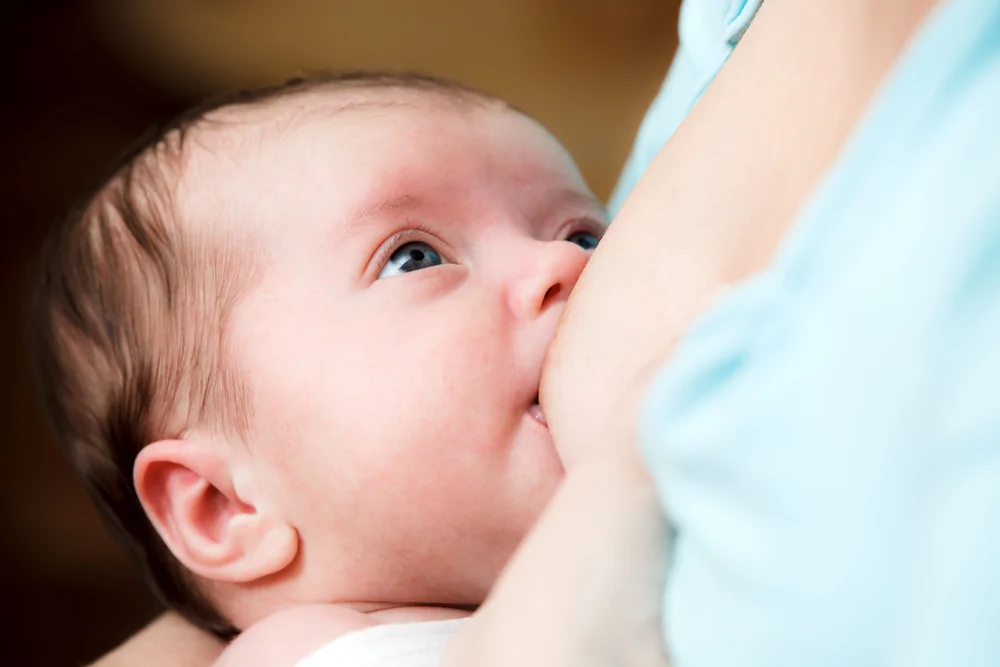
1. Breast milk provides ideal nutrition for babies
Most health professionals recommend exclusive breastfeeding for at least 6 months or longer.
Breast milk contains everything a baby needs during the first 6 months of life, in the right proportions. Its composition even changes according to the baby’s evolving needs, particularly during the first month of life.
During the first days after birth, your breasts produce a thick, yellowish fluid called colostrum. It is rich in protein and low in sugar. It is truly a wonderful food and cannot be replaced by formula.
Colostrum is the ideal first milk and helps the newborn’s immature digestive tract to develop. After the first days, your breasts start to produce larger quantities of milk as the baby’s stomach grows.
2. Breast milk contains important antibodies
Breast milk is rich in antibodies that help your baby fight viruses and bacteria, which is essential during those first months.
This is especially true for colostrum, the first milk. Colostrum provides large amounts of immunoglobulin A (IgA), as well as several other antibodies.
When you are exposed to viruses or bacteria, you begin to produce antibodies that then pass into the milk.
IgA protects the baby from illness by forming a protective layer in the nose, throat and digestive system. Many studies show that babies who are not breastfed are more vulnerable to health problems such as pneumonia, diarrhoea and infection.
3. Breast milk promotes healthy weight gain for baby
Breastfeeding supports healthy weight gain and helps prevent childhood obesity.
One study showed that breastfeeding for more than 4 months was associated with a lower risk of developing overweight and obesity.
Babies fed on breast milk also have more leptin in their system than formula-fed babies. Leptin is a key hormone for regulating appetite and fat storage.
Breastfed babies also self-regulate their milk intake. They stop feeding when they are no longer hungry, which helps them develop healthy eating habits.
4. Breastfeeding may make children smarter
Some studies suggest there may be a difference in brain development between breastfed babies and those fed on formula. They also indicate that breastfed babies have higher intelligence scores and are less likely to develop behavioural problems or learning difficulties as they grow.
However, the most pronounced effects are observed in preterm babies, who are at higher risk of developmental problems.
Research clearly shows that breastfeeding has significant positive effects on long-term brain development in babies.
Benefits of breastfeeding for you

5. Breastfeeding can help you lose weight
You may have heard this often. While some women seem to gain weight during breastfeeding, others seem to lose weight with little effort.
Breastfeeding burns more calories. After 3 months of lactation, you will probably notice an increase in fat burning compared with non-breastfeeding mothers. Although the difference is not large.
6. Breastfeeding helps the uterus to contract
During pregnancy, your uterus grows enormously, going from the size of a pear to occupying almost your entire abdomen.
After birth, your uterus goes through a process called involution, which helps it return to its pre-pregnancy size. Oxytocin, a hormone that increases throughout pregnancy, helps drive this process.
Your body secretes large amounts of oxytocin during labour to help deliver the baby and reduce bleeding.
Oxytocin also increases during breastfeeding, which encourages uterine contractions and reduces bleeding, helping the uterus return to its original size.
Studies have also shown that mothers who breastfeed generally have less blood loss after childbirth and a faster uterine involution.
7. Mothers who breastfeed have a lower risk of depression
Postpartum depression (PPD) is a type of depression that can develop shortly after childbirth.
Women who breastfeed appear less likely to develop postpartum depression than mothers who wean early or do not breastfeed.
However, those who suffer from postpartum depression soon after childbirth are also more likely to have difficulties breastfeeding and tend to breastfeed for a shorter time.
If you have symptoms of PPD, tell your doctor as soon as possible.
8. Breastfeeding reduces your risk of disease
Breastfeeding seems to offer you long-term protection against cancer and several diseases. The total time a woman spends breastfeeding is linked to a reduced risk of breast and ovarian cancer.
Women who breastfeed have a lower risk of:
- high blood pressure
- arthritis
- high blood fats
- heart disease
- type 2 diabetes
9. Breastfeeding can suppress menstruation
Continued breastfeeding also interrupts ovulation and menstruation. The suspension of menstrual cycles can in fact be the body’s natural way of ensuring some time between pregnancies.
10. It saves time and money
Breastfeeding is free, aside from lactation consultation fees and breast pumps. By choosing to breastfeed, you will not have to:
- buy powdered milk every week
- calculate how much drink your baby should have each day
- spend time cleaning and sterilising baby bottles
- mix and warm bottles in the middle of the night (or day)
- find ways to warm bottles when you are out and about
- Breast milk is always the right temperature and ready to drink.
Comments (0)