
Out of stock

Starting nursery is an important step for your baby… and for you as a parent. Between the emotions and the practical questions, it’s easy to forget some essentials. Here is a complete checklist to support you through this transition with peace of mind.
At nursery, babies live, play, eat… and sometimes get messy. It is therefore essential to provide several changes of clothes to ensure their comfort throughout the day:
Tip: favour clothes that are easy to put on (press-studs, soft fabrics) and without too many details (ribbons, decorative buttons) to make changing easier for nursery staff.
Nurseries often ask parents to bring certain specific hygiene items. Always check the list provided by the setting, but here are the commonly requested essentials:
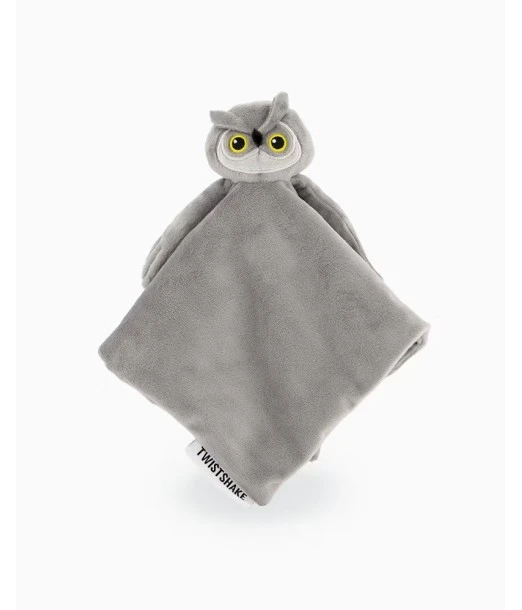
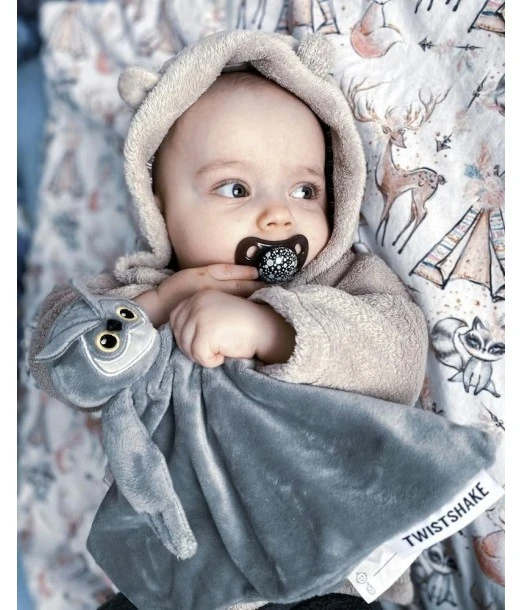
The well-known comforter can make all the difference in soothing a baby during the first days of separation. Even if all nurseries accept it, make sure that:
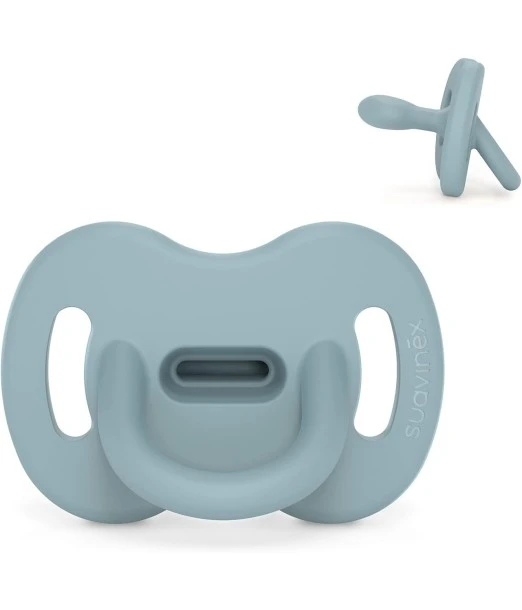
You can also add a pacifier if the child uses one, or a cotton muslin with your scent. The important thing is to create a reassuring link between home and nursery.
Depending on your child’s age and feeding method, prepare:
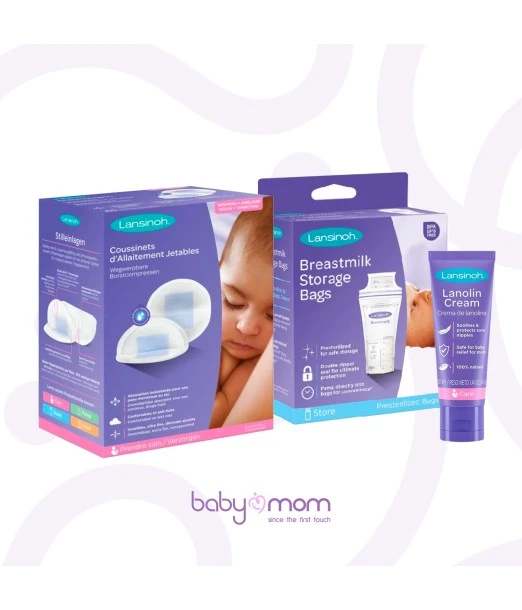
For breastfeeding mothers, the nursery may ask you to provide expressed breast milk in a sterile, dated container. To make feeding times easier during adaptation or visits, a cape d’allaitement Doomoo such as the Grey version or the Chocolat version allows discreet breastfeeding in the reception room, for example.
And to soothe sensitive nipples, particularly during pumping periods, the Lansinoh Pack Promo Soin Allaitement is a valuable ally.
Some small items will make your baby’s day at nursery even more comfortable:
At this age, needs remain very close to the home routine. Starting nursery can be done gently with:
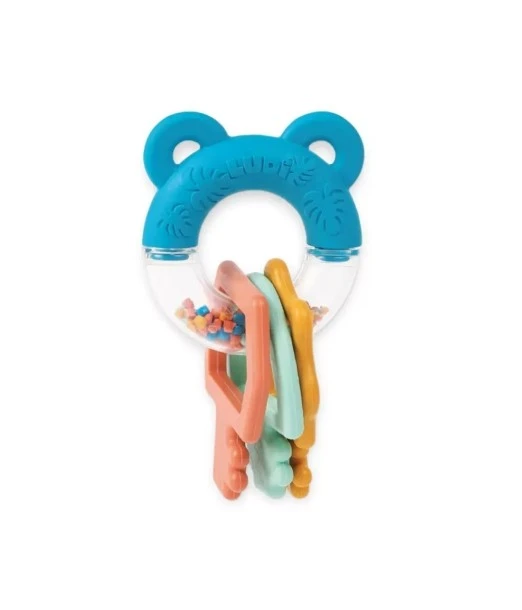
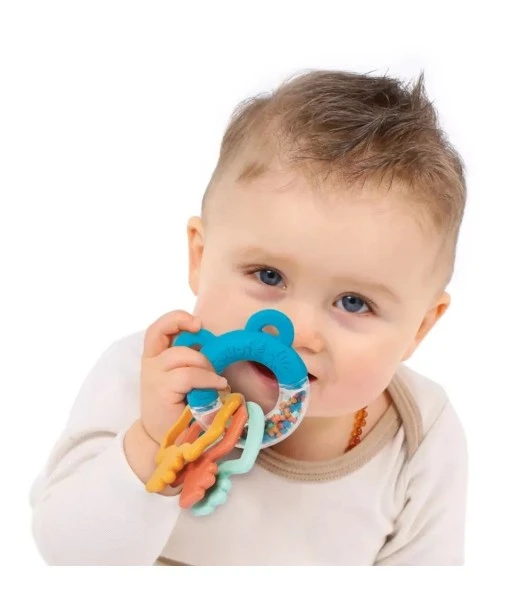
Some babies at this age start dribbling or chewing a lot. The Ludi Anneau de Dentition Clés 3mois+ offers safe relief that is easy to handle, while being colourful.
The baby explores more, often eats purees, and sometimes naps alone. Consider:
They may start to develop stronger attachment cues: the comforter, a small cloth book or a sensory object can help them structure their days.
The child often starts walking, saying a few words, and asking for specific things. They may:
Starting daycare can also coincide with the first molar teething: a teething ring remains useful up to 18-24 months.
Ideally pack it the night before, checking that all clothes are clean, labelled and complete. Keep a list on the fridge so you don’t forget anything.
Yes, it is recommended. One comforter stays at the daycare, a second stays at home, both identical, washed regularly but never both at the same time.
Yes, you can express your milk and prepare it in suitable, dated containers. Breastfeeding is compatible with daycare, according to their health protocols.
At least two complete outfits, especially for young babies. For toddlers, add spares if messy meals or activities are planned.
This is normal during the settling-in period. Talk to your baby, give a reassuring object, involve the staff by sharing your observations. The transition is gradual.
Inform the daycare, and slip a teething ring into their bag to ease uncomfortable moments.
Some establishments do, others don’t. It’s better to discuss this in advance. Then provide a waterproof bag for soiled diapers.
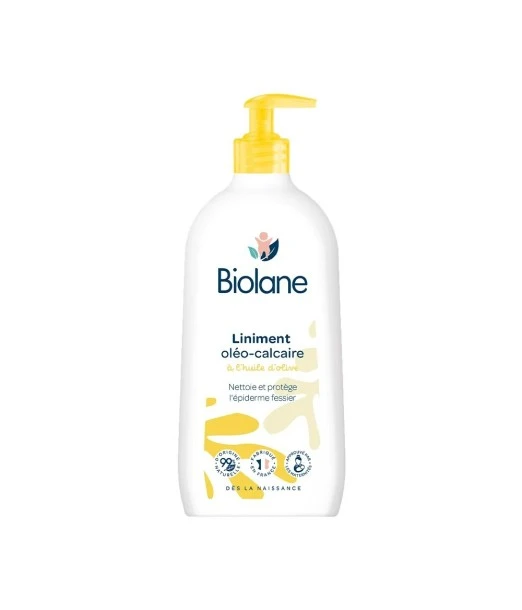
Yes, some daycares apply it as prevention. Ask about their routine and clearly mark the tube with the name.
Bring the prescription, the medicine, and sign the authorisation if the daycare allows administration. Never include a treatment without written notification.
A soft bag, large enough to hold the day’s essentials, washable, easy to spot (name added). Avoid rigid or awkward bags that are difficult for staff to handle.



Comments (0)