
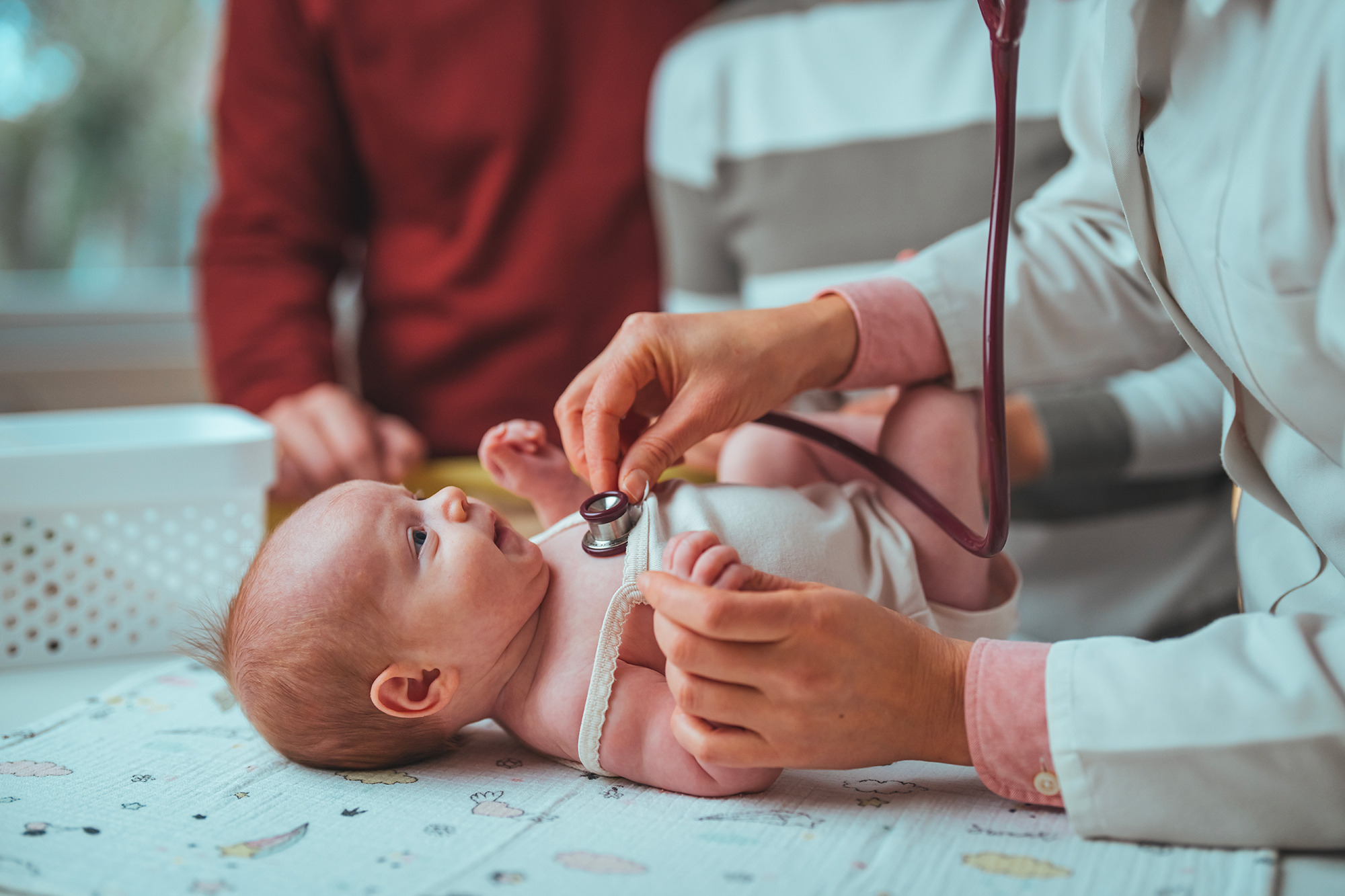
Bronchiolitis is a common respiratory infection in infants, especially from September onwards, with a peak in autumn and winter. In most cases it is caused by the respiratory syncytial virus (RSV), but other viruses can also be responsible. This illness mainly affects babies under 2 years and causes inflammation of the small airways, leading to breathing difficulties.
Main symptoms
Bronchiolitis often presents with:
- A dry cough that may become productive.
- Fast, wheezy breathing (known as sibilances).
- Nasal congestion.
- Sometimes a mild fever.
Infants may also have difficulty feeding properly because of breathing discomfort.
Why is it more frequent from September?
With falling temperatures and the return to school, children are more often exposed to viruses in group settings. Moving between indoor and outdoor spaces, and the close contact in nurseries and schools, favours the spread of respiratory viruses.
How to tell bronchiolitis apart from other respiratory infections?
Bronchiolitis can sometimes be confused with other respiratory illnesses such as flu, the common cold or pneumonia, because symptoms are similar. To distinguish these infections there is a quick and effective test: the multiplex respiratory PCR.
This test uses a nasal swab to detect several viruses and bacteria responsible for respiratory infections at the same time, including the virus that causes bronchiolitis. In a few hours, doctors can know whether the child has bronchiolitis or another infection, which allows a precise diagnosis and the choice of the appropriate treatment.
When to consult?
If your baby shows signs of significant breathing difficulty (very fast breathing, sucking in under the ribs, apnoea) or refuses to feed, it is important to see a doctor quickly. In some cases, hospitalisation may be necessary to monitor and help the child breathe better.
Conclusion
Bronchiolitis is a common illness but can be worrying for parents. Fortunately, tools such as the multiplex PCR make it possible to diagnose this infection accurately and to distinguish it from other respiratory diseases, so that rapid and effective care can be provided.
Comments (0)