
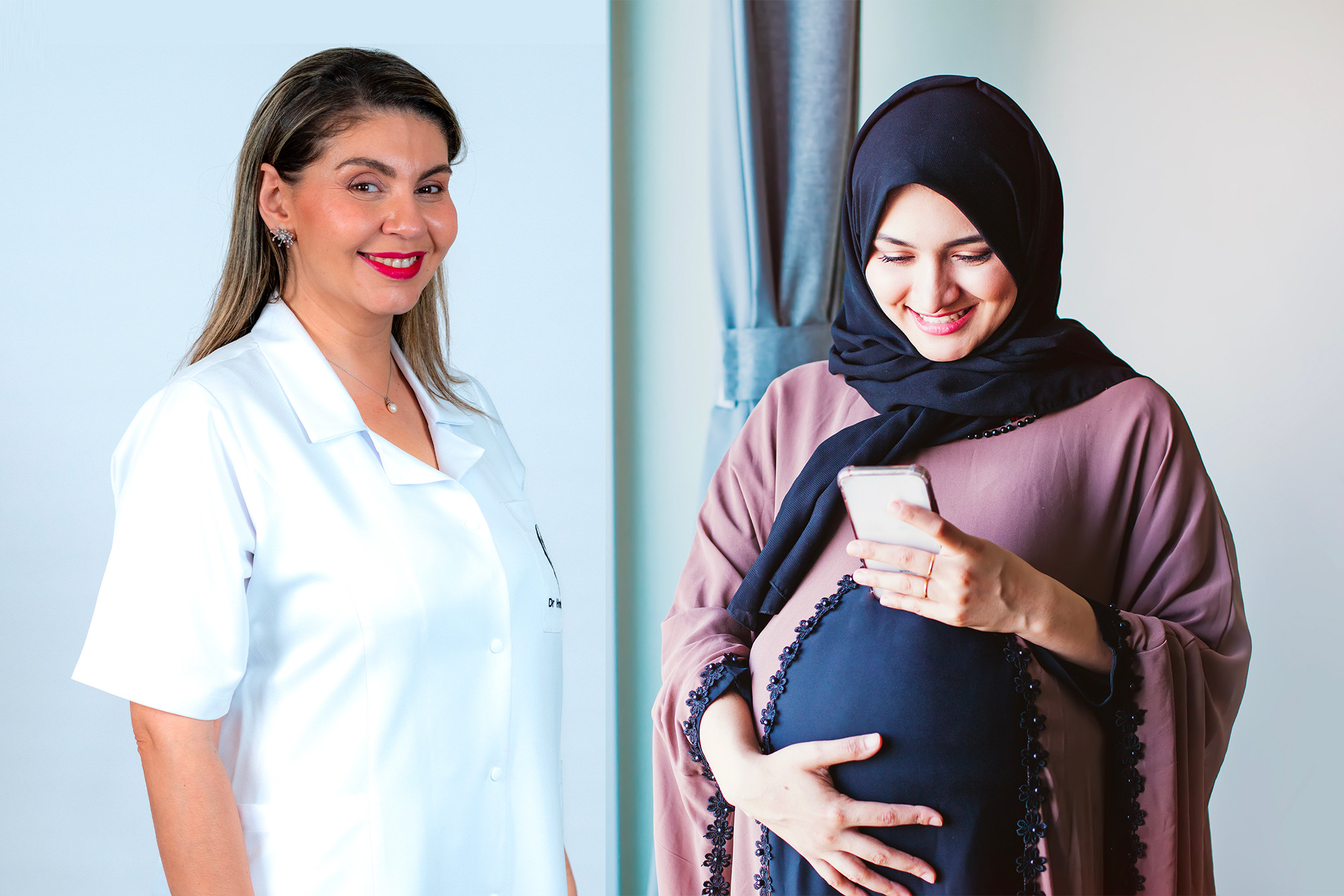
Interview with Dr Houda Fasla - Gynaecologist in Casablanca
As Ramadan approaches and even during this sacred time, pregnant women often come to see us with questions about fasting. The most frequent questions are: "Is fasting during pregnancy dangerous? For me? For my baby? What signs should worry me?"
Through this article, we will address some of your legitimate questions.
First, it is important to know that pregnancy is not an automatic contraindication to fasting.
However, pregnant women are not obliged to fast if they fear it may harm their health or that of their child. You should not ignore this exemption if you feel fasting will be difficult for you. Each woman has different capacities and needs, often depending on the stage of pregnancy.
1- What are the main risks associated with fasting during Ramadan for pregnant women, and how can these risks affect the health of the mother and the unborn baby?
The main risks associated with fasting during Ramadan are mainly caused by lack of water; not drinking exposes the expectant mother to dehydration, which can cause fainting, urinary tract infection, renal colic or a worsening of an acute or chronic condition.
In the foetus, one may observe a decrease in the amount of amniotic fluid, slowed growth with low birth weight and a risk of prematurity.
It is therefore strongly recommended to discuss with your gynaecologist to rule out any medical contraindication to fasting.
A consultation during the month of Ramadan is recommended.
2- What general recommendations do you give to pregnant women who plan to fast during Ramadan?
It is essential to discuss with your doctor and obtain their approval. The decision will take into account your health status, stage of pregnancy, how the pregnancy is progressing, the possible presence of chronic disease or illness that appeared during pregnancy and any treatments you need to take.
If there is no contraindication, in addition to an appropriate diet, it is advised to organise your day to take care of yourself. One word: rest.
Plan regular naps or frequent rest periods, avoid long walks or carrying heavy items such as shopping bags, reduce household chores and stay cool where possible to avoid dehydration.
Sleep is also crucial for recovery. Therefore avoid staying up late. Do not hesitate to accept help from relatives and family for daily tasks.
Avoid sporting activities that could dehydrate you and cause extra fatigue.
3- How can pregnant women manage their diet and hydration during Ramadan to minimise risks to their health and that of their baby, while respecting religious obligations?
A balanced diet is essential to get through a full day of fasting. Here are some recommendations:
- Stay hydrated!! This means taking small sips of water between sunset and sunrise; also remember to drink if you wake during the night. Hydration comes from water but also from eating vegetables.
- The three meals (ftour, dinner and s’hour) should be eaten; each contributes to keeping you healthy and providing the energy your baby needs.
- The ftour meal serves to ease feelings of thirst and hunger. It should include drinks to rehydrate you, as well as sweet foods to supply significant energy to your body. This meal should be light, more like a snack.
- The dinner is taken two or three hours after breaking the fast and should be balanced.
- The s’hour meal is the most important and must not be missed; it helps restore reserves to last the whole day. Almost anything is allowed! Try, however, to make it a balanced meal, rich in protein, like a hearty breakfast.
In general, avoid very sweet foods: the hyperglycaemia they cause is often followed by reactive hypoglycaemia with intense tiredness, even dizziness and fainting.
4- When should you be worried? Expert advice.
- If you feel dizzy or tired, rest for half an hour and see if you feel better. If there is no improvement, stop fasting immediately.
- Contact your doctor immediately :
- in case of fainting, nausea or vomiting.
- changes in your baby’s movements.
- if you are very thirsty or your urine becomes dark and strongly odoured.
- in case of abdominal pain, as this could be premature contractions; this requires a prompt examination and care.
- also consult for fever or severe headaches.
In conclusion, pregnancy and spirituality can go well together provided you stay attentive to your wellbeing and that of your future baby. Adequate support and a healthy lifestyle are the guarantees of a calm ramadan.
Comments (0)