
Breast pumps

Quick answer: if you express milk often (returning to work, relactation, twins), an electric breast pump is generally more comfortable and effective. If it’s occasional (engorgement, outings, emergencies), a manual breast pump may be enough. The breast pump price in Morocco mainly varies by type (manual/electric), the presence of double pumping, and options (hands-free, battery, settings).
To browse available options, you can start by choosing a breast pump suited to your routine, then add useful accessories (collection, storage).
A breast pump is used to express your breast milk to give to baby later (by baby bottle, by cup depending on age), or to support breastfeeding when feeding at the breast is difficult.
According to the WHO, breastfeeding exclusively is recommended for the first 6 months, then continued with appropriate complementary foods. A breast pump can be a practical tool to support that continuity when daily life becomes complicated.
Beyond “electric = better”, the right choice mainly depends on frequency, time available and your comfort.
In real life: many mothers appreciate it as a “plan B” in the diaper bag, or to relieve an overly full breast before feeding.
Organisation tip: if you express at work, a hands-free model can save you precious time (emails, snack, breathing) without making you feel “stuck”.
The breast pump price in Morocco mainly depends on category (manual/electric), type (single/double), and features (hands-free, battery, settings, ergonomics). In practice:
If you are still unsure, this guide will help you decide: electric breast pump or manual breast pump: how to choose according to your needs and price in Morocco.
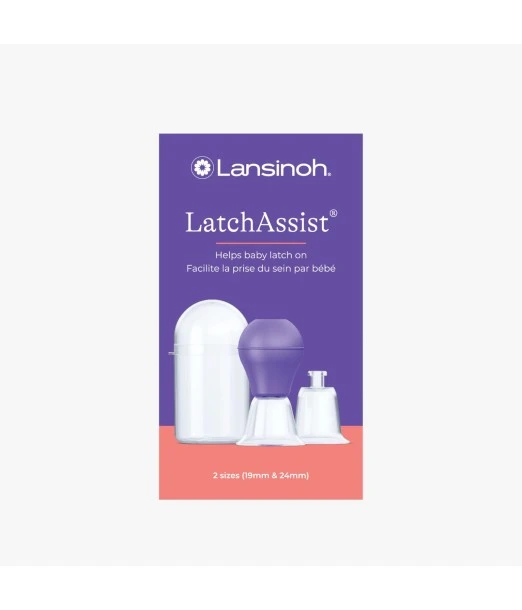
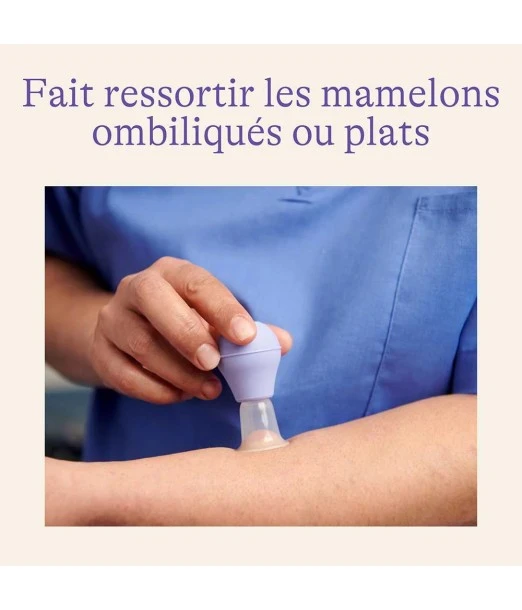
Sometimes the issue is not expressing but the latch (baby cannot attach, flat/inverted nipple, very engorged breast). In these cases, an accessory can help temporarily.
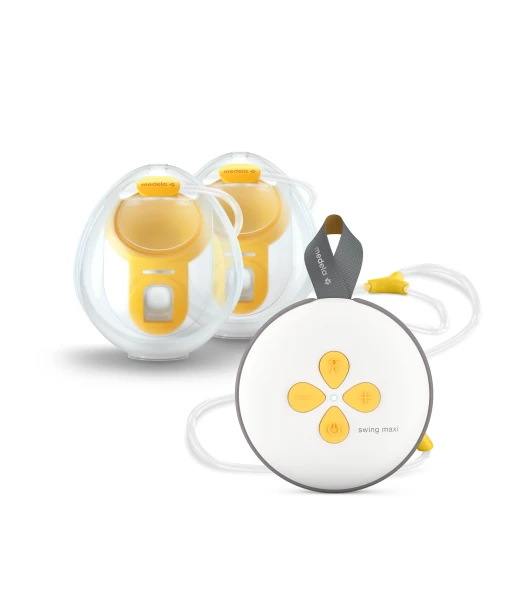
If your need is rather regular and convenient expression:
At first, the amounts you express can be small, especially if you pump right after a feed. This is normal: baby has often taken the larger share. The breast pump is then mainly used to stimulate and teach (your body + your routine). Growth spurts can also make you feel like “I have no milk left”, while baby’s demand has temporarily increased.
Many babies become more efficient at the breast. Pumping can become more predictable if you choose fixed slots (for example mornings, when some mums feel more “full”). If you are preparing to return to work, start gradually: a small reserve is often enough, the goal is not a freezer full of milk.
This is the age when organisation matters more than performance. An electric breast pump is often easier if you need to pump during short breaks. Prepare a dedicated bag (containers, ice packs, wipes, easy-access top). And above all: what you express is not a mark of your value as a mum. Day-to-day variability is common.
With weaning, some babies naturally space feeds, others do not. Pumping may become more occasional (outings, evenings, travel). Some mums continue to pump at work, others choose a mixed approach. The important thing is to preserve your balance and avoid over-pumping (forcing yourself to pump too much or too often when you no longer need to).
The most important things are clean containers and labelling. Start with small volumes at first (so you do not throw away milk if baby does not finish). If you transport milk, a cool bag with ice packs helps maintain the cold chain.
And if your baby has a “blocked nose” phase that disrupts feeds/bottles, these tips can help day to day: how to use saline solution or seawater for your baby.
See a midwife, a lactation consultant or your doctor if you have:
Early support often quickly improves comfort and effectiveness, without multiplying accessories.
If you need to pump almost every day, an electric pump is generally more practical: it reduces effort, can be faster, and helps you sustain pumping over time. The manual pump remains useful as a backup (in the car, when travelling, or if you forget a part).
It depends on your goal. To maintain supply during separation (work), many mums pump at the times baby would have fed. If you pump for an occasional bottle, one session a day (or a few times a week) may be enough. For special situations (premature baby, relactation), ask a professional for a personalised plan.
The breast pump does not always perfectly reproduce a baby’s suckling. Stress, an ill-fitting breast shield, too high an intensity, or lack of relaxation can block the let-down reflex. Try: warmth + massage, a calm environment, looking at a photo/video of the baby, and adjusting the size/comfort.
Yes. The amount can vary with the time of day, your tiredness, your hydration, the frequency of feeds, or a growth spurt. Monitor the overall trend and the signs that the baby is well (diapers, alertness, steady weight curve).
First check the size of the breast shield and the position (nipple centred, no excessive rubbing). Increase suction gradually and stay below the pain threshold. Pain that persists is not normal: seek support.
It is not mandatory. Double pumping is mainly useful if you are short on time (at work), if you pump several times a day, or if you want to improve efficiency. If you pump rarely, a single-pump system may be enough.
Start small: one pumping session at an easy time (often in the morning) and freeze in small portions. The goal is to cover a short separation, not to fill a freezer. Adjust according to your reality.
Generally, price rises with: double pumping, hands-free use, battery/rechargeable, number of settings, ergonomics, and sometimes ease of cleaning. Choose first according to use (occasional vs daily), then for comfort and practicality.
This is common, especially if the introduction is late. Try when the baby is calm (not starving), have someone else give the bottle, test a different nipple and a warm temperature. If it continues, an alternative (cup, spoon) can be discussed according to age with a professional.
It can replace feeds occasionally or partially (separation, personal choice), but direct feeding often remains the simplest way to maintain supply when possible. Many families find a “mixed” balance: feeds when together, pumping when apart.
To complete your routine, you can also take a look at finding collection and storage solutions to limit waste and gain peace of mind.

Comments (0)