
Toiletry accessories
Runny nose, repeated sneezes, small red eyes… In babies, seasonal allergies (often related to pollen) mainly appear as ENT and eye symptoms. The good news: in many cases you can soothe these discomforts with simple, non-drug measures suited to very young children, while watching for signs that need medical advice.
Here are 5 natural solutions (meaning “non-aggressive and respectful of the baby”) to include in daily life, with age-related guidance, common mistakes to avoid and a full FAQ.
Seasonal allergies in babies can cause:
Watch closely (seek medical advice): difficulty breathing, wheeze, bluish lips, high fever, marked decrease in feeding, signs of dehydration, repeated ear infections, symptoms that persist or worsen.
When pollen irritates, the nose produces more secretions. Nasal washing with serum physiologique helps to clear what is blocking the nose and to rinse away irritating particles.
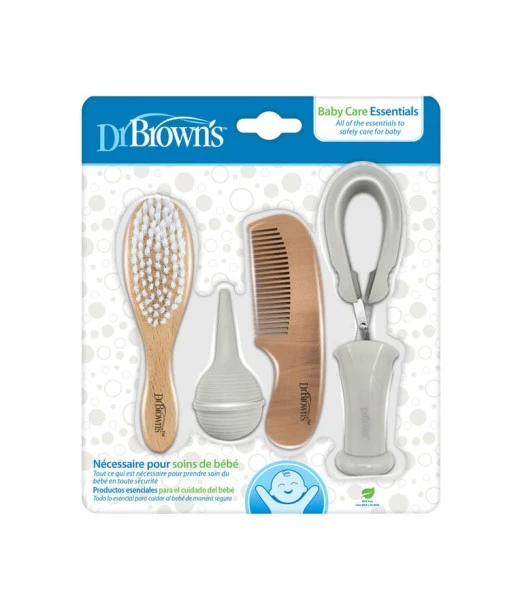
To equip yourself without multiplying purchases, a toiletry kit can help daily care, for example Dr Brown's Kit de 5 pièces pour les soins du bébé (useful for basic hygiene care at home).
Eyes can react quickly in very young children: tearing, redness, itching. The aim is to remove allergens without causing irritation.
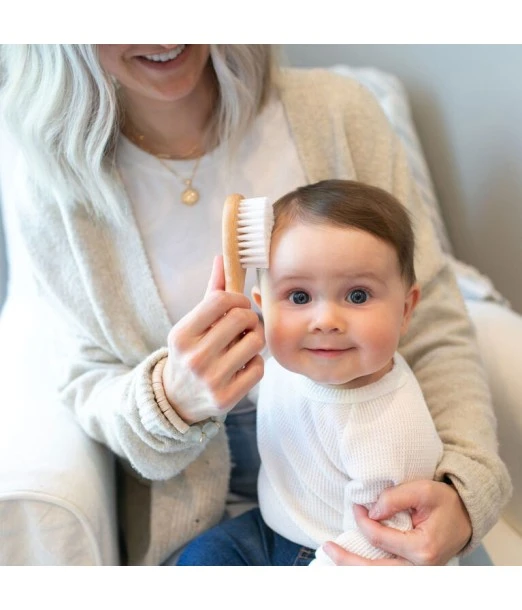
Small daily care accessories, like those included in Dr Brown's Kit de 5 pièces pour les soins du bébé, can help you keep a gentle and regular routine.
When wiping often, the skin under the nose can become red, dry, even slightly chapped. A “natural” approach mainly means reducing the aggression:
Tip: some irritations are also worsened by saliva (drooling) and night-time rubbing. A soothing pre-bed routine (cleaning + moisturising if recommended) often helps.
This makes a big difference: you do not “treat” the allergy, but you reduce what triggers symptoms.
Goal: make the bedroom a refuge area, especially at bedtime.
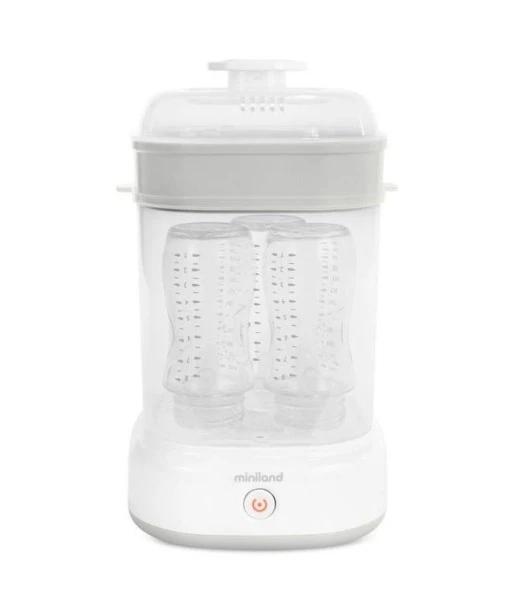
When the nose is irritated, good hydration (age-appropriate) and impeccable hygiene of feeding equipment help avoid adding irritation + digestive discomfort + night wakings.
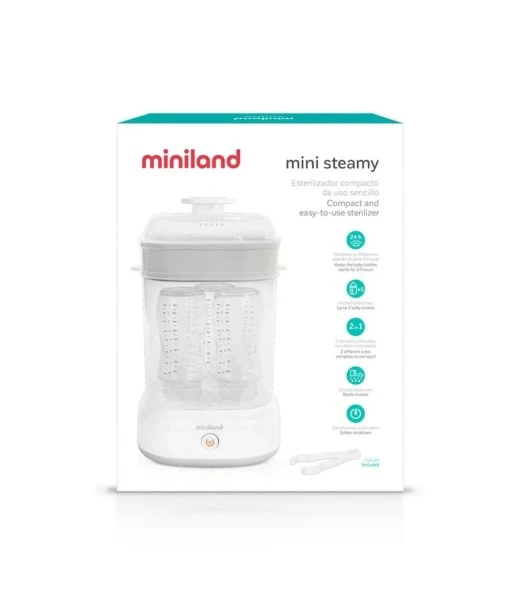
To make this routine easier, a dedicated piece of equipment can be handy, such as Miniland Steriliser 5 Baby Bottles.
At this age, baby mainly breathes through the nose. A slight congestion can therefore disrupt feeding and sleep. The most useful actions are:
Realistic expectations: the goal is not a “perfectly dry nose”, but a baby who breathes better, eats enough and sleeps in calmer cycles.
With improving motor skills, baby often brings hands to the face, which maintains redness and irritation. Help by:
Realistic expectations: symptoms can fluctuate day to day (weather, wind, outings). A “good day” does not mean everything is over, and a “bad day” does not mean you did something wrong.
At this age, baby explores outside, sometimes rolls on the ground and touches everything. Prevention relies a lot on organisation:
Realistic expectations: night wakings can be linked to a blocked nose. The aim is to help baby fall back asleep more quickly by improving breathing comfort before bedtime.
Toddlers can start to say “it itches” or “my nose is blocked”. You can:
Realistic expectations: the child may refuse some days. Regularity + gentleness is more effective than a struggle. If symptoms greatly affect daily life, medical advice is appropriate.
At night, nasal congestion often seems worse (lying down). To limit wakings and preserve your energy:
A cold often comes with changes over a few days (nose becoming thicker, possible fever, tiredness). Allergy often gives a runny clear nose, sneezing and itchy eyes, with variations depending on exposure (outings, wind). In a very young child, the line is not always clear: if you are unsure, seek medical advice.
Nasal rinse with serum physiologique is commonly practised from the first weeks, with a gentle, adapted technique. If baby is very small, born premature or if you are anxious about the procedure, ask your paediatrician or a nurse to show you.
Yes, many babies do not like the sensation. Crying does not mean you are hurting them. Stay gentle, keep it short, and above all watch what happens afterwards: often the baby breathes better and calms quickly. If you feel you are causing strong discomfort or if they seem to be choking, stop and get help to learn the technique.
Yes, because pollens settle on the skin and hair. Without necessarily giving a full bath, rinsing hands/face (and sometimes a quick shampoo after heavy exposure) can reduce evening and night symptoms.
Not necessarily. Going out is important for mood and development. The idea is rather to adapt: avoid peak hours, choose places with lower pollen levels (seaside, after rain), and follow a “return” routine (change, hands/face, maybe nose).
Lying down reduces drainage of secretions, and irritation can seem more pronounced. In addition, pollens accumulated on clothes/hair during the day can continue to cause discomfort. Hence the benefit of a change and washing the face before bedtime.
Minimise rubbing as much as possible (patting), space out wipes when possible by cleaning more gently, and ask a healthcare professional for advice about a skin protection suitable for your child’s age. Persistent or weeping redness deserves a consultation.
For babies, it is better to be very cautious: fragrances and essential oils can irritate the airways and are not first-line solutions for young children. If you want a “natural” approach, favour simple measures (rinsing, indoor air, hygiene) and ask your paediatrician before any diffusion or application.
Consult quickly if the baby breathes with difficulty, whistles, refuses to feed, seems very drowsy or inconsolable, shows signs of dehydration, or if you notice a high fever. Also consult if symptoms persist, worsen or strongly affect sleep over several days.
It does not treat the allergy, but it contributes to overall comfort. During nasal irritation, anything that reduces irritants and improves feeding tolerance (clean equipment, stable routine) can help manage the phase better, especially if the baby already has difficulty feeding.
To soothe seasonal allergies in babies, the most effective solutions are often the simplest: wash the nose, clean eyes and face gently, protect irritated skin, reduce pollen exposure at home, and maintain an appropriate hygiene and hydration routine. If something worries you, trust your parental instinct and seek advice.
Products mentioned (useful for daily care): Dr Brown's Kit of 5 items for baby care ; Miniland Sterilisateur 5 Biberons.
Comments (0)