

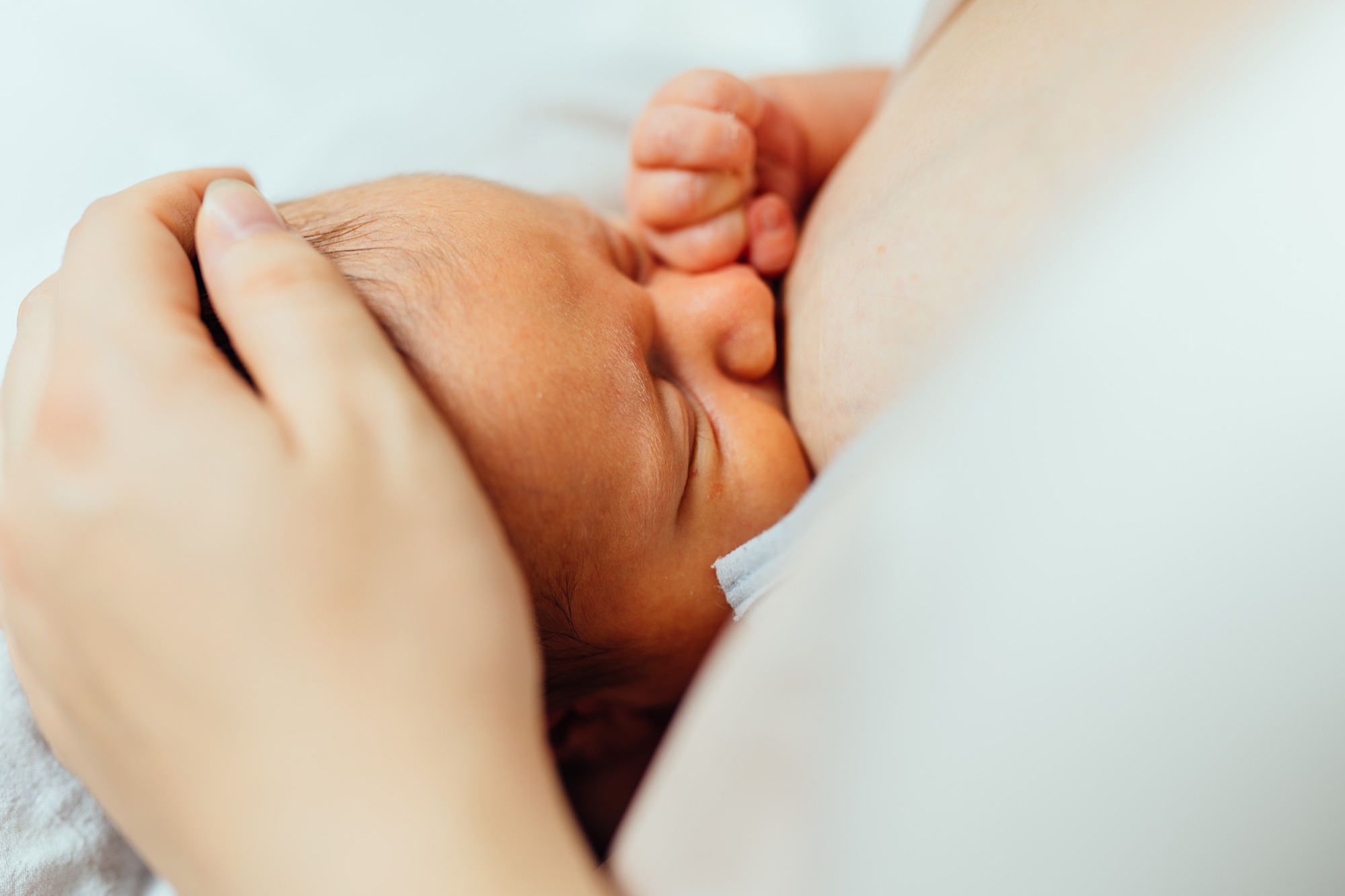
For breastfeeding women, the decision to fast during Ramadan often raises important questions and concerns about their baby’s health and well‑being.
In this article, we will explore the implications of fasting during Ramadan for breastfeeding mums, as well as recommendations and precautions to ensure the infant's optimal health and development.
First, the baby’s age is a key factor in the decision for a breastfeeding woman to fast or not.
For a baby between 0 and 4 months
The risk of reduced milk supply is very high and could affect the baby’s growth because at this stage lactation is not stable and the baby depends 100% on breastfeeding.
The mum is therefore advised to avoid fasting or, at best, to try test days and then decide.
It is also clear that if the baby is showing slow growth, or is premature, or has a cow’s milk allergy, it is clearly not worth taking this risk.
For a baby over 6 months
It is important to follow certain rules so that fasting goes as well as possible.
Between iftar and suhour it is essential to stay well hydrated with water, herbal teas and soups.
As for food, it should be balanced and avoid the trap of too much fat or sugar; instead favour a balanced meal with protein, vegetables and starchy foods after a soup, for example. Fruit also has its place.
Finally at dawn, cereal soup (oats, barley...), eggs, dried fruit, sellou and a herbal tea are recommended.
Points of vigilance
Despite all these recommendations, the mum must remain vigilant about certain points, namely
- Is the baby satisfied during the day?
- Is the baby wetting and soiling their diapers as usual?
- Weigh the baby after 10 to 15 days of fasting for a quick check
One last word: every experience is unique, don’t compare yourself to another mum! Every mum and her breastfeeding journey are unique ❤️ !
Comments (0)