
Out of stock
In spring in Morocco, you can quite reasonably start (or continue) complementary feeding while taking advantage of seasonal produce, provided you adapt the method to your baby’s pace and the constraints of the climate (rising temperatures, more outings, more delicate food storage). The simplest approach is to choose a method (purees, DME, or mixed) that respects safety, appetite and the time you have.
To cook and save time on textures, many parents appreciate a dedicated device: using a steam-cooker robot to prepare homemade purees helps keep a routine even when days get longer.
Spring often means:
According to the WHO, complementary feeding comes in addition to milk (breast milk or baby formula) and should be safe, age-appropriate and gradual. This idea of safety and gradual progression is particularly important when it is warmer and food keeps for shorter periods.
Principle: you offer blended foods (smooth at first), then thicken and add small pieces over the weeks.
Why this is practical in spring:
Points to watch in Morocco in spring:
For whom? Parents who want to progress step by step, babies who need time with pieces, or families who want simple logistics.
Principle: you offer foods in “stick” shapes or appropriately sized pieces, and baby brings food to the mouth, explores and eats at their pace (always under supervision).
Why it is interesting in spring:
Points to watch:
For whom? Parents available at mealtimes, comfortable with watching, and babies showing good readiness signs (sitting well, hand-to-mouth coordination, interest in food).
Principle: you alternate purees/mashed food and hand-held pieces (soft pieces), depending on the time, energy and context.
Why it is often the best compromise in spring:
For whom? Most families: maximum flexibility, without pressure.
At this age, many babies are mainly discovering flavours. The goal is not quantity but tolerance and enjoyment. A small spoon or two may be enough, then increase gradually.
In spring, sleep and routines can change (outings, heat). If baby is fussy at the end of the day, trying at midday can be easier. Keep milk as the main foundation.
Baby begins to sit better (with support) and explores more. This is a good time to move to mashed foods and introduce soft bite-sized pieces if all is well.
In spring in Morocco, plan “flexible” meals: a mash at home and a more portable option for outings. Don’t feel guilty if you are not “100% homemade” at every meal: consistency matters.
You can increase variety and work on chewing with more present textures (always appropriate for the age). At this stage, meals also become social moments: baby watches and copies.
In spring, since we eat out or with family more often, a winning strategy is to offer a “secure” base that baby knows (for example an already accepted food) alongside a new food. This reduces refusals and keeps the meal positive.
Spring is also a season when parents think more about allergies (pollen, rhinitis…), and wonder if this affects feeding. The most helpful approach: introduce new foods gradually, watch the skin and digestion, and seek medical advice if in doubt.
To learn more without stress, you can read: how to recognise and manage food allergies in spring in Morocco.
Reference: paediatric societies (e.g. Société Française de Pédiatrie) and international guidelines stress adapted introduction, without risky “tests” at home if baby has a known allergic background. If there is a family history, your paediatrician will guide the timing and monitoring.
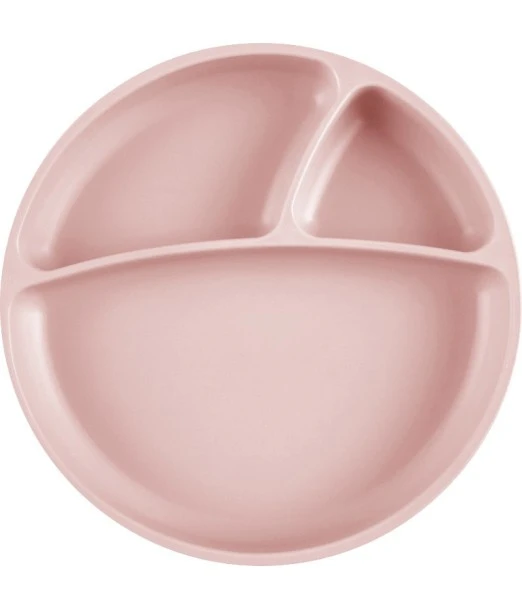
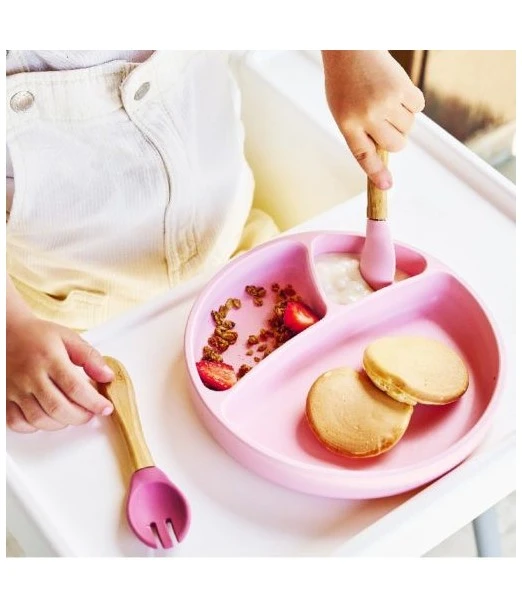
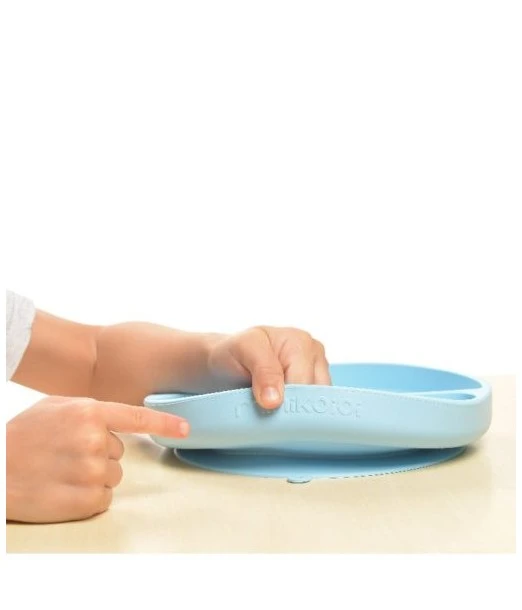
In spring, comfort increases a lot with a plate that stays in place and allows you to offer several foods (new item + familiar safe choice) without mixing everything. Two practical silicone suction options:
Compartmentalising also helps reduce refusals in some babies who dislike mixed foods, while keeping a clear view for parents.
In spring, some babies wake more often (room temperature, longer days, mild colds). This can affect appetite: baby may make up with more milk, or eat less solid food for a few days. This is usually temporary.
If you are going through this phase, this guide may help: advice for managing night wakings during seasonal change in Morocco. The idea: preserve family rest and avoid changing everything (meals, naps and routine) at the same time.
There is no single “best” method: the most suitable one is the one that remains safe, consistent and stress-free for your family. Purées are reassuring to start with, DME encourages independence, and the mixed approach is often the simplest day-to-day, especially when you alternate between home and outings in spring.
It depends on age and type of feeding (breastfeeding or baby formula). In general, milk remains the main drink during the first year. If your baby has started solids, you can offer small sips of water at meals, especially in hot weather. If in doubt (very few wet diapers, a lethargic baby, fever), seek medical advice.
Choose simple, safe foods and respect the cold chain. Take small portions and avoid keeping an opened food. The mixed approach helps: one “familiar” food plus one new food to try, and you adjust according to baby’s mood.
Yes. Refusals can happen at any time: tiredness, teething, a cold, or a change of routine. Keep offering without forcing, change the presentation (mashed vs soft stick) and pair with a liked food to keep the meal positive.
No. Moving too quickly can make it harder to monitor (digestion, skin) and tire everyone out. You can introduce new foods gradually while repeating those already offered: repetition is a major factor in acceptance for babies.
Look mainly for signs of readiness: ability to sit with stability, hand-to-mouth coordination, interest in meals, and ability to handle appropriate textures. If you are unsure, discuss it with your paediatrician to start safely.
You must distinguish gagging/coughing (a common reflex as baby learns) from true choking. If in doubt, stop the meal, stay calm and seek medical advice promptly. Prevention is essential: appropriate formats, baby seated, constant supervision, no meals in the car or lying down.
Spring does not require avoiding foods “as a rule”. However, if your baby has an allergic background (severe eczema, family history), it is better to introduce new foods methodically and, sometimes, with medical advice. If a reaction occurs (hives, repeated vomiting, breathing difficulty), consult emergency services.
Sometimes yes, often no. Wakings can be caused by temperature, colds, teething or timetable changes. Regarding food, avoid very heavy evening meals if your baby digests poorly. For a comprehensive approach, refer to the advice on night wakings linked to seasonal change.
Prepare 2 to 3 bases per week (a vegetable, a starch, a suitable protein), then compose meals quickly. Divided plates help to present several items clearly. A cooker-robot can also reduce mental load by standardising cooking and blending.
Key takeaways: in spring in Morocco, the best method combines safety, simplicity and adaptation to your pace. For medical questions (allergies, swallowing difficulties, growth curve), your paediatrician remains the reference.

Comments (0)